
Comprehensive Scientific Overview, Mechanisms, and Laboratory Applications An Educational, Research-Focused Blog Article for Life-Science Professionals
Introduction: Why PDGF-BB Matters in Modern Research
GMP Recombinant Human PDGF-BB Protein is a cornerstone reagent in cell biology, regenerative research, tissue engineering, and translational laboratory science. Platelet-Derived Growth Factor-BB (PDGF-BB) is one of the most biologically potent members of the PDGF family, with well-documented roles in cell proliferation, chemotaxis, survival, and extracellular matrix regulation.
Decades of publicly funded research—documented by the U.S. National Institutes of Health (NIH)
https://www.nih.gov
and indexed through the National Center for Biotechnology Information (NCBI)
https://www.ncbi.nlm.nih.gov
have established PDGF-BB as a fundamental signaling molecule in mesenchymal cell biology.
The availability of GMP-grade recombinant PDGF-BB allows laboratories to perform high-confidence, reproducible experiments in systems where reagent quality and traceability are critical.

Molecular and Biological Background of PDGF-BB
The PDGF Family
The PDGF family consists of four gene products (PDGF-A, -B, -C, -D) that assemble into five functional dimers. A detailed genetic overview of PDGF ligands is available via MedlinePlus Genetics (NIH)
https://medlineplus.gov/genetics/.
Among these, PDGF-BB is unique in its ability to activate both PDGF receptor subtypes, giving it broader biological activity than other isoforms.
Structural Characteristics
PDGF-BB is a disulfide-linked homodimer (~24–26 kDa) composed of two PDGF-B chains. Protein structure and annotation data can be explored through NIH-linked UniProt resources
https://www.uniprot.org
and the Protein Data Bank (PDB), supported by U.S. government research agencies
https://www.rcsb.org.
PDGF Receptors and Signal Transduction
PDGF Receptor Biology
PDGF-BB binds with high affinity to PDGFR-β and also activates PDGFR-α. These receptor tyrosine kinases are predominantly expressed on:
-
Fibroblasts
-
Pericytes
-
Smooth muscle cells
-
Mesenchymal stromal cells
Receptor biology and tyrosine kinase signaling are extensively reviewed in educational materials from the National Cancer Institute (NCI)
https://www.cancer.gov.Intracellular Signaling Cascades
Upon ligand binding, PDGF receptors undergo autophosphorylation, triggering multiple downstream pathways:
-
PI3K–AKT pathway – cell survival and metabolism
https://www.ncbi.nlm.nih.gov/books -
MAPK/ERK pathway – proliferation and differentiation
https://www.ncbi.nlm.nih.gov/pmc -
PLCγ pathway – cytoskeletal dynamics and migration
https://www.nigms.nih.gov -
STAT signaling – transcriptional regulation
https://www.ncbi.nlm.nih.gov/gene
These signaling networks explain the broad utility of PDGF-BB in mechanistic cell signaling research.
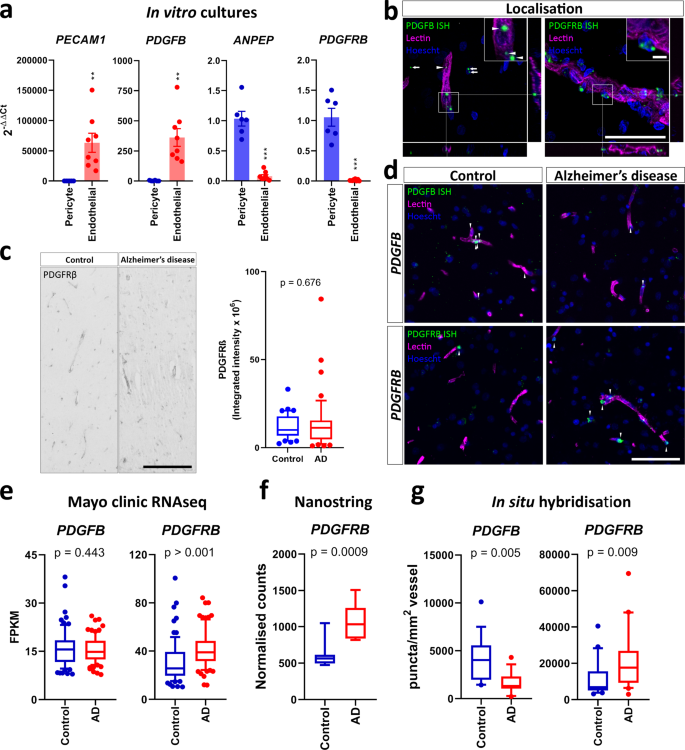
Why GMP Recombinant Human PDGF-BB Is Essential
Understanding GMP in Life-Science Research
Good Manufacturing Practice (GMP) standards are defined and enforced by regulatory authorities such as the U.S. Food and Drug Administration (FDA)
https://www.fda.gov.
GMP production ensures:
-
Controlled and validated manufacturing processes
-
Verified protein identity and purity
-
Extremely low endotoxin levels
-
Batch-to-batch consistency
Educational overviews of GMP for biologics are available through FDA regulatory guidance portals
https://www.fda.gov/regulatory-information.
Benefits for Research Laboratories
NIH reproducibility initiatives emphasize the importance of reagent quality
https://www.nih.gov/research-training/rigor-reproducibility.
Using GMP-grade PDGF-BB helps:
-
Reduce experimental variability
-
Improve cross-laboratory data comparability
-
Support scalable and standardized workflows
Core Laboratory Applications of PDGF-BB
Cell Proliferation Models
PDGF-BB is widely used to stimulate proliferation in:
-
Fibroblast cultures
-
Smooth muscle cells
-
Mesenchymal stromal cells
Experimental frameworks for proliferation assays are described in NIH BioAssay resources
https://pubchem.ncbi.nlm.nih.gov
and NLM protocol repositories
https://www.nlm.nih.gov.
Cell Migration and Chemotaxis Assays
PDGF-BB is a gold-standard chemoattractant in:
-
Scratch (wound-healing) assays
-
Transwell migration systems
-
Microfluidic migration models
Cell migration fundamentals are reviewed in NIH-supported literature
https://www.ncbi.nlm.nih.gov/pmc/articles.
Role in Stem Cell and Progenitor Cell Research
PDGF-BB supports the expansion and functional study of mesenchymal stem/stromal cells (MSCs). Background information on stem cell signaling is provided by:
-
NIH Stem Cell Information
https://stemcells.nih.gov -
National Human Genome Research Institute (NHGRI)
https://www.genome.gov
PDGF-BB is commonly included in defined, serum-free culture systems to study lineage commitment and cell fate regulation.
Applications in Tissue Engineering and Biomaterials
In tissue engineering research, PDGF-BB is incorporated into:
-
Hydrogels
-
Electrospun scaffolds
-
Controlled-release matrices
These models are used to study cell–matrix interactions and tissue remodeling, topics extensively covered by the National Institute of Biomedical Imaging and Bioengineering (NIBIB)
https://www.nibib.nih.gov.
Angiogenesis and Vascular Biology Research
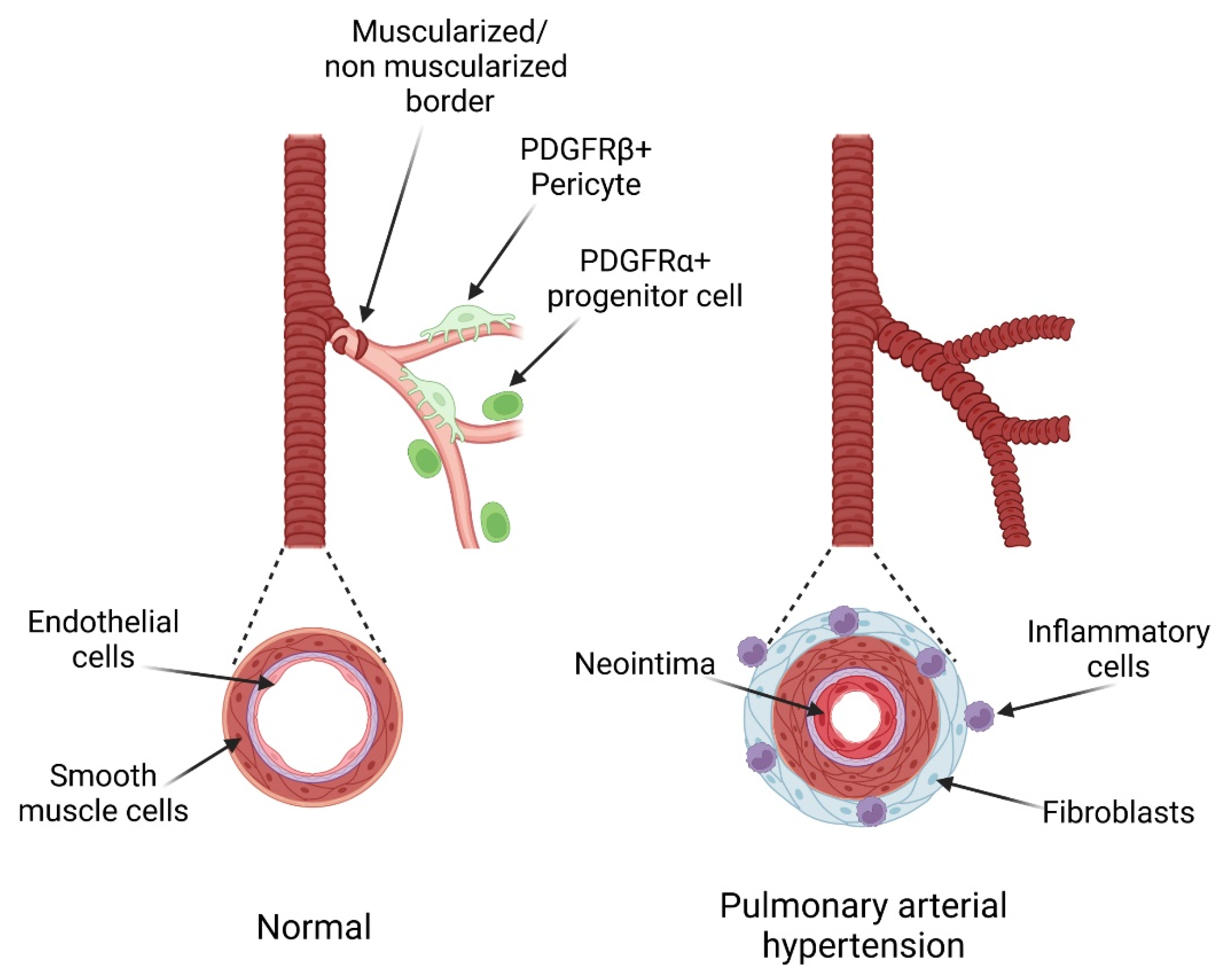
PDGF-BB plays a key role in vascular stabilization by mediating pericyte recruitment to endothelial structures. Angiogenesis research is supported by:
-
National Heart, Lung, and Blood Institute (NHLBI)
https://www.nhlbi.nih.gov -
NIH Research Matters – Vascular Biology
https://www.nih.gov/news-events/nih-research-matters
These models are essential for understanding microvascular organization in vitro.
Use in Translational and Process Development Research
The National Center for Advancing Translational Sciences (NCATS)
https://ncats.nih.gov
highlights the importance of standardized reagents in bridging discovery research and applied science.
GMP recombinant PDGF-BB supports:
-
Scalable cell expansion protocols
-
Assay validation and robustness testing
-
Early alignment with regulatory expectations
Handling, Storage, and Experimental Reliability
General recombinant protein handling guidelines are provided by NIH laboratory safety and best-practice resources
https://www.nih.gov/health-information/lab-safety.
Best practices include:
-
Sterile reconstitution
-
Aliquoting to avoid freeze–thaw cycles
-
Storage at recommended temperatures
Proper handling ensures long-term stability and biological activity.
Educational Value and Scientific Transparency
The extensive documentation of PDGF-BB biology in publicly funded databases such as:
makes this growth factor an ideal example of transparent, well-validated molecular biology suitable for academic, industrial, and translational laboratories.
Conclusion
GMP Recombinant Human PDGF-BB Protein is an indispensable research tool for cell signaling studies, stem cell research, tissue engineering, and translational laboratory science. Its broad receptor activity, deeply characterized signaling pathways, and GMP-level manufacturing quality make it a trusted and future-ready growth factor for modern experimental systems.
By aligning with best practices and knowledge disseminated by institutions such as the NIH, FDA, NCI, and NCATS, GMP PDGF-BB enables researchers to generate robust, reproducible, and scientifically meaningful data.